
Managing multiple Construction Waste Removal in Collin County? This checklist covers how contractors handle construction waste removal without slowing down the build.

A Contractor’s Checklist for Construction Waste Removal in Collin County
Collin County has been one of the busiest new construction corridors in North Texas for years, with active building across Plano, McKinney, Allen, Frisco, and the smaller communities filling in between them.
For contractors and builders managing more than one site at a time, construction waste removal is not just a cleanup task, it is a scheduling problem that can slow down a crew if it is not planned into the build.
6 Practical checklist for Construction Waste Removal in Collin County
Here is a practical checklist for keeping debris from becoming a bottleneck.
1. Match the Removal Method to the Build Phase, Not the Whole Project
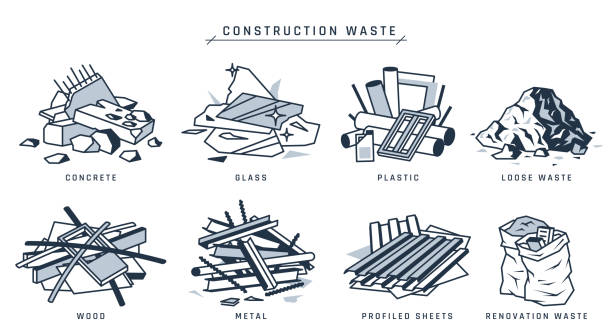
Debris looks different at every stage of a build. Framing generates wood scrap. Drywall installation generates cut offs and packaging. Final walkthrough prep generates a mix of everything left behind. Instead of planning one removal strategy for the entire project, match the method to the phase:
- Early framing and rough in: a dumpster kept on site captures ongoing scrap without daily hauling calls
- Mid build material deliveries: scheduled pickups timed to each delivery keep packaging waste from accumulating
- Final cleanup before walkthrough: a single, full service pickup clears everything left over, including odds and ends too small to justify a dumpster
2. Set a Standing Arrangement Instead of Calling Fresh Every Time
If you are working multiple lots in the same development, a one off call for each pickup wastes time you do not have. A standing arrangement with one construction waste removal company, agreed pricing, a known contact, and a general understanding of your typical volume, gets debris off site faster and with fewer scheduling delays than starting from scratch on every job.
3. Separate Heavy Material From Light Material Before You Call
Concrete, brick, and tile weigh significantly more than wood, drywall, and packaging, and pricing is tied to weight as much as volume.
If your crew can stage heavy debris separately from lighter scrap, even just into two piles, you will get a more accurate quote and often a lower total cost than a single mixed pile that forces a hauler to estimate weight conservatively.
4. Flag Anything That Needs Special Handling Before Pickup Day
Certain materials cannot go into a standard hauling truck or dumpster:
- Treated lumber and pressure treated cutoffs
- Paint, solvents, and adhesives left over from finishing work
- Batteries from tools or equipment
- Suspected asbestos or lead paint in renovation work on older structures
Flagging these ahead of time avoids a delay on pickup day when a crew shows up expecting a standard load and finds material that requires separate handling.
5. Time Dumpster Swaps to Avoid Idle Site Time
If a project uses a dumpster, plan the swap schedule around your build timeline rather than a fixed calendar interval.
A container that fills up mid week and sits full until the weekend slows down your crew just as much as one that was never full enough to justify the rental.
Coordinate swap timing with whoever is running point on site so debris removal never becomes the reason a task gets delayed.
6. Keep One Point of Contact for All Job Sites
When multiple properties are active at once, whoever schedules removal, whether that is a site super, a project manager, or the builder directly, should be the single point of contact with the hauling company.
This keeps pricing consistent, avoids duplicate scheduling, and gives the hauler one relationship to manage instead of several disconnected requests across different sites.
The future of Construction Waste Removal in Collin County
With new subdivisions continuing to fill in across McKinney, Allen, and the Frisco area, demand for construction waste removal tends to run higher during peak building seasons.
Booking a standing arrangement or scheduling pickups a few days ahead, rather than expecting same day service during the busiest stretches, keeps your project on schedule even when local demand is high.
Frequently Asked Questions
Is a dumpster or scheduled pickups better for a multi lot development in Collin County? It depends on build phase. Early framing and rough in work generally benefits from an on site dumpster, while final cleanup and material delivery waste are often better handled with scheduled pickups.
Can one hauler service multiple job sites under one arrangement? Yes, most construction waste removal companies can set up a standing arrangement for contractors managing several active sites, which typically results in more consistent pricing and faster scheduling than one off calls.
What materials require special handling on a Collin County job site? Treated lumber, paint and solvents, batteries, and any suspected asbestos or lead paint from renovation work on older structures all require separate handling rather than standard hauling.
How far in advance should contractors schedule debris removal during busy building seasons? A few days ahead is a safe buffer during peak season, since same day availability becomes less reliable when overall demand across the county rises.
Set Up a Construction Waste Removal in Collin County
DFW Junk Pickup works with contractors and builders across Plano, McKinney, Allen, and the surrounding Collin County area to keep job sites clear without slowing down the build.
Call (214) 838-8777 to discuss a standing arrangement for multiple sites, or visit our construction waste removal services page for details on what we handle.
