- Understanding Different Types of Waste in Rockwall
- Professional Waste Removal Services: Complete Breakdown
- DIY Waste Removal: The Real Truth
- Pros and Cons: Professional vs DIY Comparison
- Construction Debris Removal: What You Need to Know
- Hazardous Waste Disposal: Safety First Approach
- Electronic Waste Recycling: Protecting Data and Environment
- House and Garage Cleanouts: Step-by-Step Process
- Cost Analysis: Hidden Expenses Revealed
- When to Choose Professional vs DIY
- Local Rockwall Resources and Regulations
- Making Your Decision: Action Plan
- Understanding Different Types of Waste in Rockwall
- Professional Waste Removal Services: Complete Breakdown
- DIY Waste Removal: The Real Truth
- Pros and Cons: Professional vs DIY Comparison
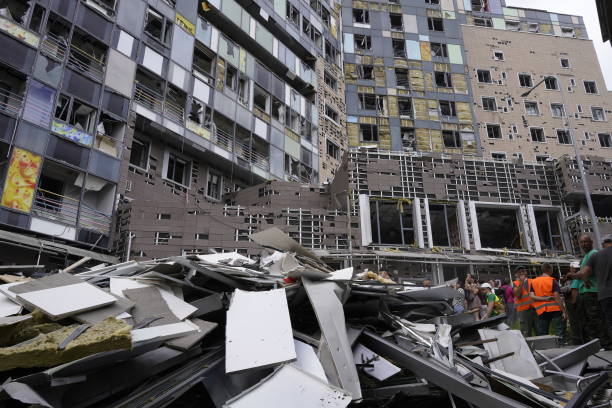
- Construction Debris Removal: What You Need to Know
- Hazardous Waste Disposal: Safety First Approach
- Electronic Waste Recycling: Protecting Data and Environment
- House and Garage Cleanouts: Step-by-Step Process
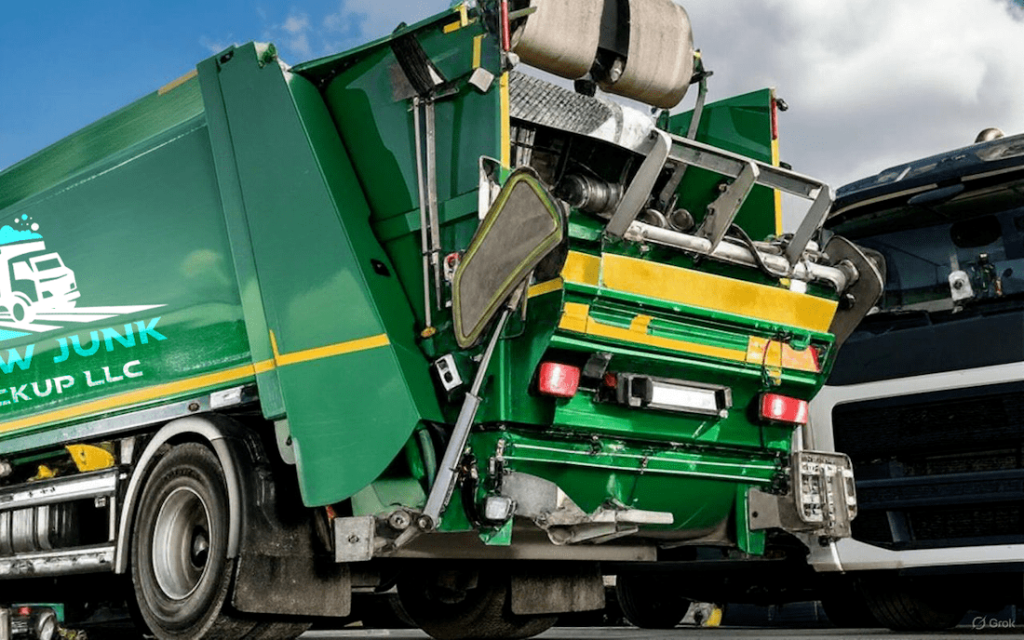
Need reliable waste removal in Rockwall, Texas but unsure whether to tackle it yourself or hire professionals? This comprehensive guide breaks down everything you need to know about construction debris removal, hazardous waste disposal, electronic recycling, and complete property cleanouts. Learn the real costs, benefits, and drawbacks of each approach to make the smartest decision for your specific situation.
Understanding Different Types of Waste in Rockwall (understanding waste types)
Before diving into removal methods, it’s crucial to understand what you’re dealing with. Not all waste is created equal, and different materials require different approaches, equipment, and disposal methods.
Regular Household Waste
This includes furniture, appliances, clothing, books, and general household items. While bulky, these materials are typically non-hazardous and can be handled through various disposal methods including donation, recycling, or landfill disposal.
Construction and Demolition Waste
Construction debris requires significant time, effort, and proper resources, especially for large or heavy items. This category includes drywall, flooring, concrete, wood, metal, roofing materials, and fixtures. Texas regulations require proper sorting and disposal of construction materials.
Hazardous Materials
Paint, solvents, pesticides, batteries, motor oil, and cleaning chemicals fall into this category. These materials require specialized handling, transportation, and disposal to protect public health and the environment.
Electronic Waste (E-Waste)
Computers, televisions, phones, and other electronic devices contain valuable materials that can be recovered, but also potentially harmful substances that require proper processing.

Professional Waste Removal Services: Complete Breakdown (professional services breakdown)
Professional waste removal services in Rockwall offer comprehensive solutions that go far beyond simple hauling. Understanding what these services include helps you evaluate their true value.
What Professional Services Include
Assessment and Planning: Professional teams evaluate your waste removal needs, identify different material types, and create efficient removal plans that comply with local regulations.
Specialized Equipment: Commercial trucks, safety equipment, lifting tools, and containment systems designed for safe, efficient waste handling.
Labor and Loading: Trained crews handle all physical aspects of removal, from sorting and loading to transportation and disposal.
Regulatory Compliance: Professionals understand local, state, and federal regulations governing waste disposal, ensuring legal compliance and proper documentation.
Disposal Coordination: Established relationships with recycling centers, donation facilities, and approved disposal sites maximize diversion from landfills.
Insurance and Liability: Professional services carry insurance coverage protecting property owners from damage or injury claims during removal operations.
Service Specializations
Residential Cleanouts: Whole house cleanouts for moves, downsizing, estate settlements, or major decluttering projects.
Commercial Waste Management: Office cleanouts, retail space clearing, restaurant equipment removal, and ongoing commercial waste services.
Construction Services: Demolition debris removal, renovation cleanup, and construction site waste management.
Specialty Waste Handling: Hazardous materials, electronics, appliances, and other items requiring specialized processing.
DIY Waste Removal: The Real Truth (diy waste removal truth)
DIY junk removal is often cheaper than hiring a professional, but the reality is more complex than simple cost comparisons. Understanding what DIY waste removal truly involves helps you make informed decisions.

What DIY Really Means
Planning and Research: You’ll need to identify disposal options for different materials, understand local regulations, and plan logistics for transportation and disposal.
Equipment Rental or Purchase: Trucks, trailers, safety equipment, and tools for handling different materials. You need some storage to put all the knick-knacks that don’t have a home after you clean, plus adequate cleaning supplies.
Physical Labor: All lifting, loading, and transportation falls on you and any helpers you can recruit.
Time Investment: Sorting, loading, driving to disposal facilities, and completing paperwork can consume entire weekends or longer.
Multiple Trips: Most DIY projects require several trips to different facilities for proper disposal of various materials.
DIY Equipment Needs
Transportation: Pickup trucks, trailers, or rental vehicles sized appropriately for your waste volume.
Safety Equipment: Gloves, safety glasses, steel-toed boots, and potentially respirators for certain materials.
Loading Tools: Dollies, straps, tarps, and containment systems for safe transportation.
Sorting Supplies: Separate containers for different materials, labels, and documentation materials.
Common DIY Challenges
Underestimating Volume: Most people significantly underestimate the actual volume of waste they need to remove.
Access Issues: Stairs, narrow doorways, and difficult-to-reach areas can make DIY removal extremely challenging.
Disposal Facility Requirements: Many facilities have specific requirements for material preparation, documentation, and fees.
Hidden Costs: Fuel, disposal fees, equipment rental, and potential damage to personal vehicles add up quickly.
Pros and Cons: Professional vs DIY Comparison (pros cons comparison)
Professional junk removal services offer an efficient, hassle-free way to clear out clutter, whereas DIY cleaning and removal projects can provide a sense of personal achievement and cost savings. Here’s a detailed comparison to help you decide.
Professional Waste Removal Services
Pros:
- Time Savings: Complete projects in hours instead of days or weeks
- Physical Safety: Trained crews handle heavy lifting and dangerous materials
- Legal Compliance: Experts navigate complex regulations and paperwork
- Equipment Included: Commercial-grade trucks, tools, and safety equipment provided
- Comprehensive Service: Sorting, loading, transportation, and disposal all handled
- Insurance Protection: Coverage for property damage and liability issues
- Environmental Responsibility: Maximized recycling and donation opportunities
- Stress Reduction: Professional management of entire project from start to finish
- Flexible Scheduling: Services available when convenient for your timeline
- Specialized Expertise: Knowledge of proper handling for different material types
Cons:
- Higher Upfront Cost: Professional services cost more than DIY approaches
- Less Personal Control: Limited ability to make real-time decisions about specific items
- Scheduling Constraints: Must work within service provider’s availability
- Potential for Mistakes: Risk of accidentally discarding valuable items
- Geographic Limitations: Some remote areas may have limited service availability
DIY Waste Removal
Pros:
- Lower Direct Costs: Avoid professional service fees and labor charges
- Complete Control: Make decisions about every item during the process
- Flexible Timeline: Work at your own pace without external scheduling pressure
- Personal Satisfaction: Sense of accomplishment from completing the project yourself
- Learning Experience: Gain knowledge about waste disposal and recycling options
- Potential Value Recovery: More time to identify valuable items for resale or donation
Cons:
- Significant Time Investment: Projects often take much longer than anticipated
- Physical Demands: Heavy lifting and manual labor can cause injury
- Equipment Costs: Rental fees, fuel, and disposal costs add up quickly
- Regulatory Complexity: Risk of violations due to unfamiliarity with disposal requirements
- Limited Expertise: Lack of knowledge about proper handling of different materials
- Transportation Challenges: Multiple trips required to different facilities
- Disposal Difficulties: Many facilities have specific requirements and restricted hours
- Hidden Costs: Unexpected expenses for specialized disposal and equipment damage
- Stress and Frustration: Dealing with logistics, regulations, and physical demands
Construction Debris Removal: What You Need to Know (construction debris removal)
Construction and demolition debris presents unique challenges that require specialized knowledge and equipment. Whether you’re a contractor or homeowner, understanding these requirements is crucial for successful project completion.
Types of Construction Debris
Structural Materials: Wood framing, steel, concrete, masonry, and roofing materials each require different handling and disposal methods.
Interior Materials: Drywall, flooring, cabinets, fixtures, and appliances have varying disposal requirements and recycling potential.
Hazardous Components: Asbestos, lead paint, treated lumber, and other potentially dangerous materials require specialized handling and disposal.
Mixed Debris: Most construction projects generate mixed waste streams that require sorting and separate disposal methods.
Regulatory Requirements in Texas
The Texas Commission on Environmental Quality (TCEQ) regulates construction waste disposal throughout the state. Key requirements include:
Waste Characterization: Identifying and properly classifying different types of construction debris.
Disposal Documentation: Maintaining records of waste generation, transportation, and disposal.
Approved Facilities: Using only licensed and permitted disposal facilities for different material types.
Hazardous Material Handling: Special procedures for materials containing asbestos, lead, or other hazardous substances.
Professional Construction Debris Removal
Site Assessment: Professionals evaluate debris types, quantities, and special handling requirements.
Sorting and Separation: On-site sorting maximizes recycling opportunities and ensures proper disposal.
Specialized Equipment: Commercial containers, loading equipment, and transportation vehicles designed for construction debris.
Regulatory Compliance: Complete documentation and coordination with approved disposal facilities.
Recycling Maximization: Established relationships with recycling facilities for wood, metal, concrete, and other recoverable materials.
DIY Construction Debris Removal
Planning Requirements: Research disposal options, understand regulations, and plan multiple trips to different facilities.
Equipment Needs: Heavy-duty trucks or trailers, safety equipment, and tools for handling large, heavy materials.
Cost Considerations: Disposal fees vary significantly by material type, with some facilities charging by weight and others by volume.
Time Investment: Construction debris removal typically requires multiple full days of work.
Safety Concerns: Heavy materials, sharp objects, and potentially hazardous substances require extreme caution.
Hazardous Waste Disposal: Safety First Approach (hazardous waste disposal)
Hazardous waste disposal requires the highest level of expertise and regulatory compliance. Understanding these requirements helps you make informed decisions about professional vs DIY handling.
Identifying Hazardous Waste
Household Hazardous Waste: Paint, solvents, pesticides, cleaning products, batteries, motor oil, and pool chemicals.
Commercial Hazardous Waste: Industrial chemicals, medical waste, laboratory materials, and specialized cleaning products.
Construction Hazardous Waste: Asbestos, lead paint, treated lumber, and chemical residues from construction processes.
Electronic Hazardous Components: Batteries, circuit boards, and other electronic components containing heavy metals or toxic materials.
Texas Hazardous Waste Regulations
Generator Requirements: Businesses and individuals generating hazardous waste must comply with state and federal regulations.
Transportation Standards: Specialized vehicles, trained drivers, and proper documentation required for hazardous waste transport.
Disposal Facility Requirements: Only licensed Treatment, Storage, and Disposal (TSD) facilities can accept hazardous waste.
Documentation and Reporting: Detailed manifests and reports required for hazardous waste management.
Professional Hazardous Waste Services
Waste Identification: Trained professionals properly identify and classify hazardous materials.
Safety Protocols: Specialized equipment, training, and procedures for safe handling and transportation.
Regulatory Compliance: Complete documentation and coordination with licensed disposal facilities.
Emergency Response: Capability to handle spills, accidents, and other emergency situations.
Liability Protection: Insurance coverage and proper licensing protect property owners from regulatory violations.
DIY Hazardous Waste Disposal
Limited Options: Most hazardous waste cannot be legally disposed of through DIY methods.
Household Hazardous Waste Events: Some communities offer periodic collection events for residential hazardous waste.
Retail Take-Back Programs: Some products like batteries and paint can be returned to retailers for disposal.
Extreme Caution Required: Improper handling can result in personal injury, property damage, and legal violations.
Regulatory Risks: Violations of hazardous waste regulations can result in significant fines and legal liability.
Electronic Waste Recycling: Protecting Data and Environment (electronic waste recycling)
Electronic waste recycling involves both environmental protection and data security considerations. Understanding these dual concerns helps you choose the right approach for your situation.
Why Electronic Waste Needs Special Handling
Valuable Materials: Electronics contain gold, silver, copper, and rare earth elements that can be recovered and reused.
Toxic Components: Lead, mercury, cadmium, and other hazardous materials require proper processing to prevent environmental contamination.
Data Security: Hard drives, memory cards, and other storage devices contain sensitive information requiring secure destruction.
Regulatory Requirements: Many states and localities have specific requirements for electronic waste disposal.
Professional Electronic Waste Services
Secure Data Destruction: Professional-grade data wiping and physical destruction services with certification.
Proper Disassembly: Trained technicians separate valuable components from hazardous materials.
Certified Processing: Work with certified recycling facilities that meet environmental and security standards.
Documentation: Provide certificates of destruction and recycling for compliance purposes.
Pickup Services: Convenient collection from your location with proper handling and transportation.
DIY Electronic Waste Disposal
Retail Programs: Many electronics retailers offer take-back programs for old devices.
Manufacturer Programs: Some manufacturers provide recycling services for their products.
Community Events: Local hazardous waste collection events often accept electronics.
Data Security Risks: DIY disposal may not provide adequate data security protection.
Limited Processing: Most DIY options don’t maximize material recovery or environmental protection.
Data Security Considerations
Personal Information: Computers, phones, and other devices contain personal financial and identity information.
Business Data: Commercial electronics may contain sensitive business information, customer data, and proprietary information.
Regulatory Compliance: Some industries have specific requirements for data destruction and documentation.
Identity Theft Protection: Proper data destruction prevents identity theft and fraud.
House and Garage Cleanouts: Step-by-Step Process (house garage cleanouts)
House and garage cleanouts represent some of the most common waste removal projects. Understanding the complete process helps you plan effectively and choose the right approach.
Professional House Cleanout Process
Initial Assessment: Comprehensive evaluation of property, identifying valuable items, donation opportunities, and disposal requirements.
Sorting and Categorization: Systematic separation of items into keep, donate, recycle, and dispose categories.
Valuable Item Protection: Careful handling and protection of items with monetary or sentimental value.
Donation Coordination: Arrangements with local charities and donation centers for usable items.
Recycling Maximization: Proper sorting and delivery to recycling facilities for appropriate materials.
Responsible Disposal: Final disposal of remaining items through approved facilities.
Property Cleanup: Complete cleaning and preparation of property for next use phase.
DIY House Cleanout Process
Planning Phase: If you’ve got time to go through the items and pile them ready for collection, you’ll only need to hire a junk removal service rather than a professional clean-out company.
Sorting Strategy: Room-by-room approach with clear categories for different disposition options.
Transportation Planning: Multiple trips to different facilities for donations, recycling, and disposal.
Time Management: Realistic timeline accounting for sorting, loading, and transportation time.
Helper Coordination: Recruiting family or friends to assist with labor-intensive aspects.
Garage Cleanout Specific Challenges:
Automotive Materials: Used oil, antifreeze, batteries, and other automotive chemicals require hazardous waste disposal.
Tool and Equipment Evaluation: Determining value and condition of tools, equipment, and machinery.
Seasonal Item Management: Handling holiday decorations, sporting equipment, and seasonal items.
Storage System Planning: Organizing remaining items with proper storage solutions.
Chemical Identification: Properly identifying and handling paint, fertilizers, pesticides, and other chemicals.
Professional vs DIY Garage Cleanouts
While hiring a professional garage cleaning service is most convenient, the drawbacks are that it may be pricey and you may have items tossed that you’d intended on keeping. However, DIY approaches require significant time investment and knowledge of proper disposal methods.
Professional Advantages: Expertise in identifying valuable items, knowledge of disposal requirements, and comprehensive service.
DIY Advantages: Complete control over item decisions, potential cost savings, and flexible timeline.
Hybrid Approach: Some homeowners choose to do initial sorting themselves, then hire professionals for removal and disposal.
Take Control of Your Waste Removal Project Today
Whether you choose professional services or tackle the project yourself, the key to successful waste removal in Rockwall lies in thorough planning and understanding your options. Paying a professional saves you time and energy over hauling it yourself, but the right choice depends on your specific situation, capabilities, and priorities.
Don’t let waste removal challenges overwhelm you or delay important projects. Use this comprehensive guide to make informed decisions that protect your health, comply with regulations, and achieve your goals efficiently.
Ready to move forward with your waste removal project?
For Professional Services:
📞 Call DFW Junk Pickup: 214-838-8777 🌐 Visit: https://dfwjunkpickup.com 📧 Email: hello@dfwjunkpickup.com
