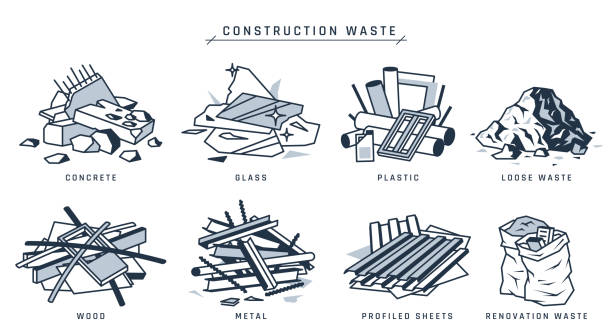
Rebuilding after storm or hail damage? Here is a step by step timeline for construction waste removal in Tarrant County so debris does not stall your repair.
Construction Waste Removal in Tarrant County: A Storm Repair Timeline
Fort Worth, Arlington, and the surrounding Tarrant County area see their share of severe spring storms and hail events, and every one of them triggers a wave of roofing, siding, and interior repair work.
Construction waste removal is easy to overlook while you are dealing with insurance claims and contractor scheduling, but debris left sitting too long can slow down inspections and repairs. Here is how it typically fits into a storm damage timeline.
Right After the Storm: Assess Before You Haul Anything
Before any debris removal starts, most insurance processes require documentation of the damage. Photograph everything, damaged roofing, water stained ceilings, broken fencing, before it gets touched.
Removing debris too early, before an adjuster has seen it or before photos are taken, can complicate a claim. This step costs nothing but a few minutes with your phone, and it protects you later.
During Tarp and Temporary Repairs: Clear a Safe Work Path
Once temporary repairs begin, roof tarping, boarding broken windows, or clearing a downed tree limb off a structure, debris needs to move out of the way quickly for safety reasons, even if the full claim has not been finalized.
This is usually a smaller, faster pickup than the full renovation cleanup that follows later, focused on clearing immediate hazards like broken glass, damaged shingles, and unstable material rather than a full site cleanout.
Once Repairs Begin: Ongoing Debris From Roofing and Renovation
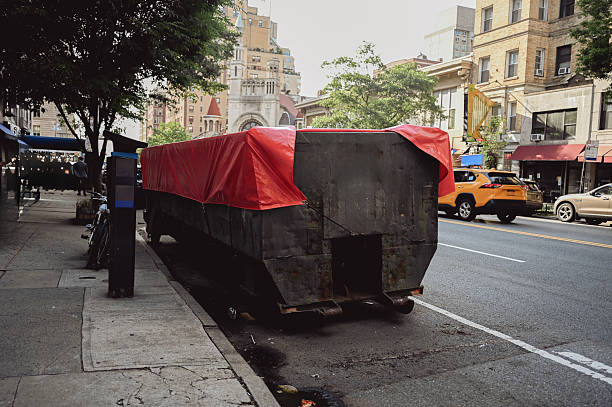
Full repair work, a new roof, replaced siding, interior drywall repair from a leak, generates debris in stages rather than all at once. For a single trade’s work, like a reroof finished in a day, a scheduled pickup after the crew wraps up is usually enough. For a larger, multi trade repair involving roofing, siding, and interior work together, a dumpster kept on site through the repair period is often more practical, since debris accumulates across several different crews over multiple days.
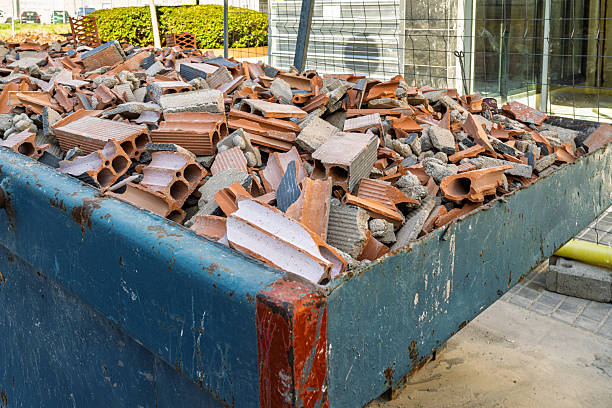
Mid Repair: Construction Waste Removal in Tarrant County Actually Includes
Storm related construction waste in Tarrant County typically includes:
- Old shingles and underlayment from a full or partial reroof
- Damaged siding, gutters, and fascia
- Water damaged drywall and insulation from leaks
- Broken fencing, decking, and outdoor structures
- Downed tree limbs and storm debris mixed in with construction material
Because storm repair debris often mixes construction material with yard waste, like tree limbs alongside shingles, mention both when requesting a quote, since a single combined pickup is usually more efficient than scheduling two separate services.
Final Walkthrough: The Last Cleanup Before You’re Done
Once repairs are complete, a final cleanup pass, clearing leftover material, packaging, and anything the crew left behind, closes out the project. This is also a good time to have any remaining debris pile assessed together rather than piecemeal, since a single final pickup is typically more cost effective than several small ones spread across the tail end of a repair.
What Insurance Typically Covers, and What It Does Not
Most homeowners insurance policies that cover storm damage repair also cover the associated debris removal as part of the claim, but coverage details vary by policy and insurer.
Keep receipts and, where possible, get an itemized quote from your hauler that separates debris removal from repair labor, since a clearer paper trail makes reimbursement easier if your policy covers this line item separately.
Frequently Asked Questions
Should I remove storm debris before my insurance adjuster inspects the damage? Generally no, unless it poses an immediate safety hazard. Photograph the damage first and check with your insurer or adjuster before large scale removal, since early removal can complicate documentation for your claim.
Is storm debris removal in Tarrant County different from regular construction waste removal? The materials are often similar, shingles, siding, drywall, but storm jobs frequently mix construction debris with yard waste like downed limbs, and often need faster turnaround due to safety concerns like exposed roofing or broken glass.
Does a dumpster or scheduled pickups work better for a multi trade storm repair? For repairs involving several trades over multiple days, roofing, siding, and interior work together, a dumpster kept on site is usually more practical than scheduling a separate pickup for each trade.
Will my insurance cover the cost of debris removal after storm damage? Often yes, as part of a covered repair claim, but this depends on your specific policy. Keep an itemized quote and receipts in case your insurer requires documentation for reimbursement.
Get Storm Repair Debris Removed Fast in Tarrant County
DFW Junk Pickup helps homeowners and contractors throughout Fort Worth, Arlington, and the greater Tarrant County area clear storm and renovation debris quickly, with same day service often available.
Call (214) 838-8777 for a fast quote, or visit our construction waste removal service page for a full list of what we haul.